
Water Extraction vs. Water Mitigation in Atlanta: What’s the Difference?
Water Extraction vs. Water Mitigation in Atlanta: What's the Difference?

When a pipe bursts after a cold snap or a summer storm pushes water inside, fast action protects your home. Homeowners in Atlanta often hear two terms at once: water extraction and water mitigation. They sound similar, yet they are different steps in a full recovery. Knowing how they work together helps you choose the right help, right away, and sets clear expectations with At Your Service Restoration & Renovation.
In simple terms, water extraction is about getting standing water out now. Water mitigation is about preventing more damage after the water is removed. Both are essential, and both should begin as soon as a trained team arrives. If you need immediate help, call 404-319-0359 or schedule professional water extraction.
What Is Water Extraction?
Water extraction is the urgent, hands-on removal of standing and trapped water. Crews use high-powered pumps and specialized vacuums to pull water from floors, carpeting, and subflooring. They also look for hidden pockets in walls, cabinets, and crawl spaces. Moisture meters and thermal cameras help locate what you cannot see, so it can be removed.
In Atlanta homes, extraction often follows heavy rain bands from tropical systems or a washing machine overflow that runs for hours. The goal is to remove as much liquid water as possible, fast. The less water left behind, the better your chances of saving flooring, trim, and structural materials.
What Is Water Mitigation?
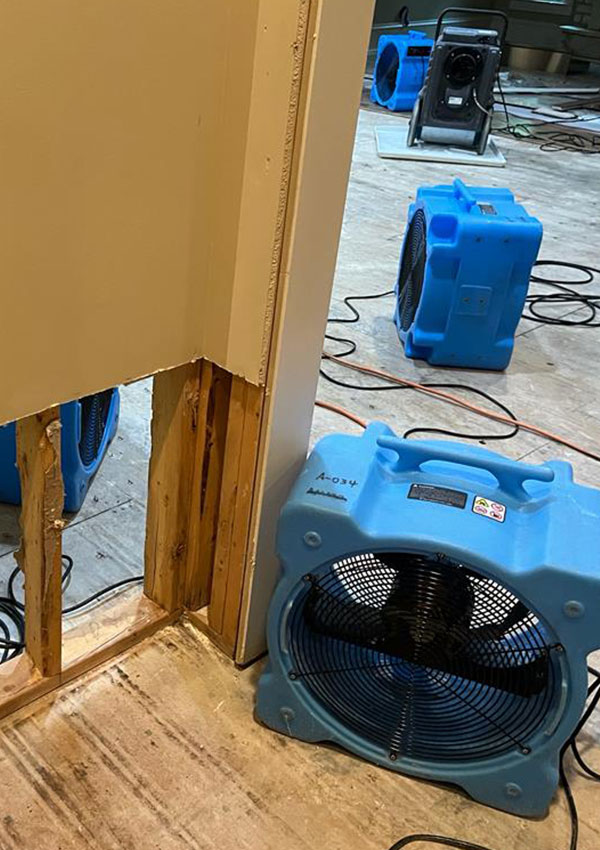
Water mitigation begins once liquid water is gone. The focus shifts to stopping ongoing damage and stabilizing the structure. That includes strategic placement of air movers and dehumidifiers, containment to control airflow, removal of unsalvageable materials, cleaning, and treating affected areas to reduce odors.
Mitigation may also include protecting areas not yet affected, isolating rooms, and setting a drying plan based on readings. Documentation and daily monitoring ensure the building materials are moving toward target moisture levels before repairs start.
Key Differences Between Water Extraction and Water Mitigation
- Purpose: Extraction removes standing water. Mitigation prevents additional damage and stabilizes the space.
- Tools: Extraction relies on pumps and weighted vacuums. Mitigation relies on air movers, dehumidifiers, containment, and cleaning agents.
- Timing: Extraction happens first and fast. Mitigation begins immediately after and continues until materials reach target dryness.
- Outcome: Extraction clears the water you can see. Mitigation handles moisture you cannot see and protects the rest of the home.
Time is your biggest cost-saver in a water loss. Fast extraction limits how far water spreads. Effective mitigation keeps that moisture from causing swelling, odors, and microbial growth.
Why Speed Matters in Atlanta
Our region sees humid summers, pop-up thunderstorms, and the tail end of tropical systems. High humidity slows natural drying and increases the risk of odors and microbial growth. Winter cold snaps can freeze pipes in basements, crawl spaces, and garages. Quick extraction shortens the drying curve, and strong mitigation keeps humidity in check so materials dry correctly.
Mold can begin growing within 24 to 48 hours in warm, humid conditions. That window arrives even faster in closed rooms and tight crawl spaces. A professional plan reduces risk by controlling airflow, heat, and humidity from day one.
How Professionals Approach the First 24-48 Hours
Every situation is unique, but trained teams follow a proven approach that reduces risk and speeds recovery without guesswork.
- Assess and measure: Inspect the source, categorize the water, and map the wet areas with meters and thermal cameras.
- Extract aggressively: Remove standing and trapped water from floors, pad, and cavities to cut days off drying time.
- Stabilize the space: Set targeted airflow, dehumidification, and temperature control with proper containment.
- Remove what cannot be saved: Pull damaged pad or trim that would keep materials from drying to target.
- Monitor and document: Take daily readings until building materials return to normal ranges.
This process is especially important in homes with hardwood floors commonly found in Atlanta cabins and lake houses. Proper extraction and controlled drying can help reduce cupping and save more of the original material.
Common Water Damage Scenarios in Atlanta Homes
Different sources create different challenges. A dishwasher leak may be small but persistent, saturating cabinets and toe kicks. A burst supply line can push water across rooms in minutes. Storm runoff can back up into basements near creeks and low-lying lots. Crawl spaces under older homes can hold moisture against subfloors, leading to swelling and odors.
Lake communities and mountain cabins add unique risks, such as long vacancy periods and steep driveways that channel runoff toward garage doors. Multifamily buildings around growing towns may see upper-floor leaks that affect units below. Each case needs a plan that considers building type, materials, and indoor humidity.
What You Can Expect From a Professional Team
Clarity and communication matter when your home is at stake. Here is what a solid response from At Your Service Restoration & Renovation typically includes:
- A clear scope for both extraction and mitigation so you know what will happen and in what order.
- Moisture maps and daily readings, explained in plain language.
- A targeted drying plan to protect hardwoods, cabinets, and structural elements.
- Coordination with your insurer on the documentation they usually request.
Never walk into a room with a sagging ceiling or standing water near outlets. Wait for trained pros to evaluate safety first.
Bringing you the best remodeling & restoration services
Our Complete Services

Interior Remodeling
Upgrade your home with customized interior remodeling solutions designed to improve comfort, style, and functionality. From kitchens and bathrooms to painting and complete room renovations, we create spaces that fit your needs and vision. Whether you want to modernize a single room or redesign your entire living space, our team brings your ideas to life with precision.
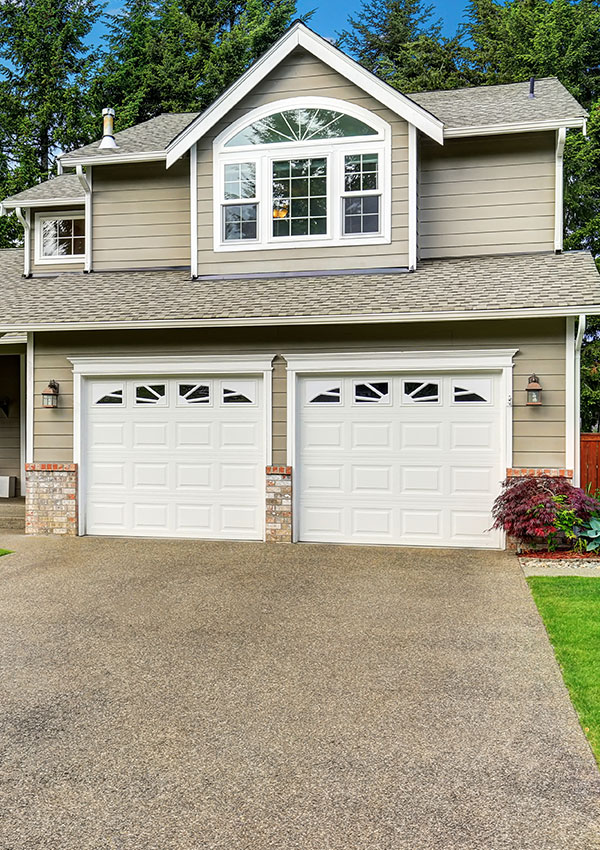
Exterior Remodeling
Protect and enhance your property with professional exterior remodeling services. We handle roofing, siding, decks, and other exterior improvements that boost curb appeal while increasing the durability and value of your home. By using premium materials and proven techniques, we ensure your home looks stunning and stands strong against the elements for years to come.
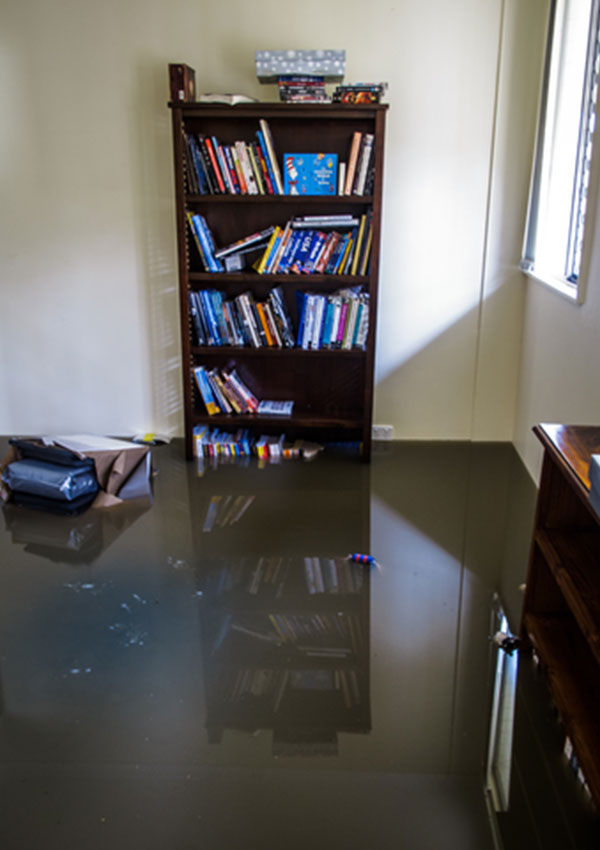
Water Mitigation
When water damage occurs, fast action matters. Our water mitigation team responds quickly to remove water, dry affected areas, and help prevent additional structural damage or mold growth. We utilize advanced extraction and drying equipment to thoroughly dry out your property and stop moisture in its tracks.
Restoration
We provide dependable restoration services for properties impacted by water, storms, and other unexpected damage. Our goal is to restore your property safely and efficiently while helping you navigate the recovery process with confidence. From the initial damage assessment to the final finishing touches, we handle every detail to bring your home back to its pre-loss condition.
Water Extraction and Mitigation Equipment, Explained
Modern equipment speeds results and reduces disruption. High-lift extractors pull water from carpet and pad at the same time. Weighted tools help reach moisture that sits deep in fibers. For mitigation, low-grain refrigerant dehumidifiers remove water from indoor air, while air movers drive evaporation off surfaces. Containment lowers the volume of air that must be dried, which makes the process more efficient.
On some projects, wall cavity drying systems help push dry air behind baseboards and through small access points. The goal is precision: dry the wet materials to target while keeping unaffected spaces comfortable and functional.
The Role of Testing and Monitoring
Moisture meters and thermal imaging guide decisions from start to finish. Readings tell the team when to adjust equipment, remove additional materials, or begin repairs. This evidence also supports your claim if you are working with insurance. Even when surfaces feel dry to the touch, subsurfaces can hold moisture. Professional monitoring confirms when it is safe to move to the next phase.
Mitigation and Your Insurance Claim
Many policies expect you to take reasonable steps to prevent further damage after a loss. Mitigation helps meet that expectation by controlling moisture and protecting unaffected areas. Crews document the condition of materials, track equipment, and record daily readings. That documentation can make conversations with adjusters smoother and can help keep the project moving.
If you are unsure how to report a claim, your project manager can explain typical paperwork and the kind of photos and notes that are useful. Requirements vary by policy and carrier.
Choosing the Right Partner in Atlanta
Choose a team that responds quickly, communicates clearly, and understands local housing types. Cabins with tongue-and-groove ceilings, split-level homes from the 80s and 90s, and new construction with engineered flooring all dry differently. Ask about their plan for your specific materials and how they will protect areas not yet affected.
You want a company that can coordinate extraction and mitigation seamlessly. That way, you are not waiting between steps while humidity rises indoors. Look for daily updates, documented readings, and a simple path to repairs once targets are met.
Where Extraction Meets Mitigation: A Simple Timeline
Think of recovery as a relay. Extraction sprints off the start line to remove bulk water. Mitigation grabs the baton and runs the longer middle leg, controlling humidity and stabilizing materials. Repairs finish the race once the structure is dry and clean. Skipping or rushing a leg can slow the whole process.
If you are just starting to research, a helpful overview is available on our homepage. You can learn how we approach water extraction in Atlanta within the larger restoration process and what that means for your home.
Hardwood, Tile, and Carpet: Material-Specific Considerations
Hardwood can often be saved if extraction is fast and drying is controlled. Cupping may improve over time with the right balance of airflow and dehumidification. Tile can hide water in grout lines and underlayment; mapping and cavity drying help. Carpet varies by fiber and padding type. Some pads are designed to be replaced, while others can be dried in place under the right conditions. Your technician will set expectations based on the materials in your home.
What Success Looks Like
Success is more than dry-to-the-touch. It means moisture readings are back in normal ranges. Odors are addressed. Materials are either saved or clearly documented for replacement. You receive a final report that outlines what was done, where the equipment ran, and the results achieved. That documentation supports your peace of mind as well as future work, such as painting or flooring installation.
Putting It All Together
Water extraction removes the immediate threat. Water mitigation prevents the event from causing larger problems. In Atlanta's mix of humidity, storms, and winter freezes, you need both. When the two steps work together, your home dries faster and endures less disruption.
If water is inside now, call 404-319-0359. A coordinated plan that starts with extraction and moves straight into mitigation can help protect finishes, reduce odors, and keep repairs on track.
Ready for Help Right Now?
At Your Service Restoration & Renovation is the remodeling company serving Atlanta that is ready to respond with trained crews and pro-grade equipment. If you want immediate action, start with our water extraction service so mitigation can begin without delay. Prefer to talk first? Call 404-319-0359 and we will walk you through the next steps for your home.
How Can We Help?
Work with a Trusted North Georgia Remodeling & Restoration Company!
Our commitment to precision and quality is built around your project’s success. Driving meaningful progress from start to finish.