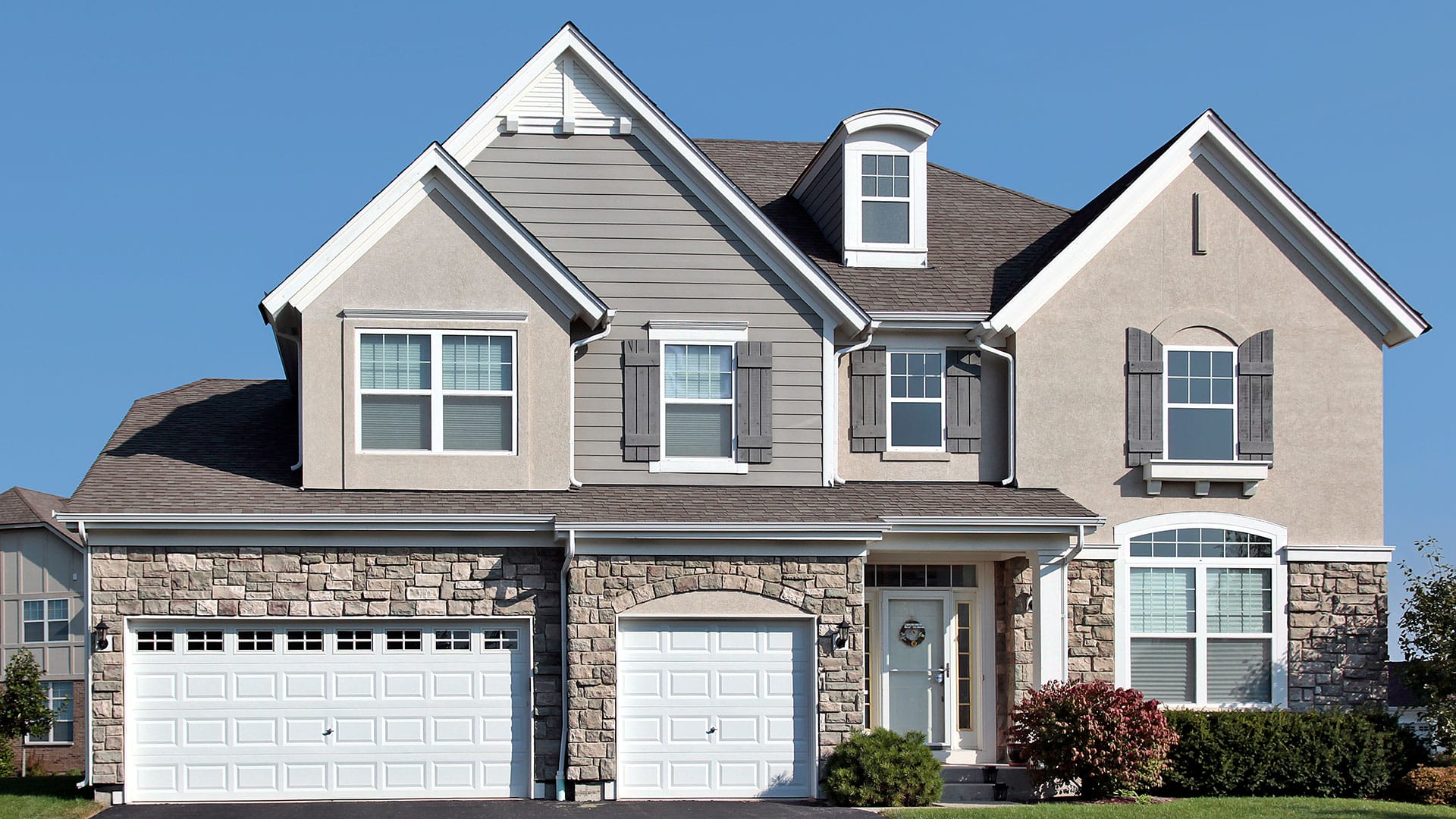

Storm Damage Restoration: Warning Signs You Should Check After Severe Weather in Atlanta
Storm Damage Restoration: Warning Signs You Should Check After Severe Weather in Atlanta

After a rough line of storms, knowing what to look for can help you move fast on storm damage restoration in Atlanta. Quick action limits secondary problems, keeps your family safer, and helps your remodeling company document issues for insurance support.
From spring tornado cells rolling off the foothills to summer hail in places like Canton, Marietta, and more, our region sees intense weather. The signs below will help you spot trouble early so At Your Service Restoration & Renovation can restore your home to pre-storm condition.
Why Fast Storm Damage Restoration Matters In Atlanta
Storms here often bring high winds followed by heavy rain. That one-two punch drives water into small openings and spreads it through insulation, ceilings, and floors. Within a short time, moisture can discolor finishes and weaken building materials.
Act within 24-48 hours to reduce mold risk. The sooner a qualified team dries and stabilizes the structure, the less demolition you will need later. Early documentation also helps your claim move forward more smoothly.
Roof And Exterior Red Flags After High Winds Or Hail
Wind lifts shingles and flashing. Hail bruises asphalt granules and dents soft metals. You do not have to climb a ladder to notice warning signs from the ground or a safe window view.
- Shingle edges curled, missing tabs, or dark spots where granules washed away
- Metal flashing bent or lifted at chimneys, valleys, and walls
- Loose or twisted gutters, downspouts, or fascia boards
- Impact marks on ridge caps, roof vents, or metal awnings
- Siding with fresh cracks, punctures, or chips in paint exposing bare material
If tree limbs struck the roof or you notice sagging lines, **stay off the roof if you suspect structural damage.** A trained crew can perform a safe inspection, temporary protection, and accurate measurements.
Water Intrusion Signs Inside Your Home
Even small openings let water travel far from the leak. Look for patterns that appear after the storm and continue to change as humidity shifts.
- Yellow or brown ceiling rings that grow or feel cool to the touch
- Wall paint bubbling, new hairline cracks, or drywall that softens
- Warped baseboards, cupped hardwood, or spongy carpet padding
- Condensation or dripping around can lights, attic hatches, and bath vents
- Musty odors in closets, crawlspaces, or rooms that were previously dry
Attics often hide early damage. If you can view safely from the hatch, look for damp insulation, daylight around vents, and water trails along rafters. Close the hatch and call for help if you see droplets or feel humid air rising from the opening.
Electrical And Mechanical System Concerns
Storm damage does not stop at the roof and drywall. Power surges and water can impact wiring, HVAC, and appliances.
Do not touch wet breakers, outlets, or appliances. If you hear buzzing at the panel, smell burning, or notice tripped breakers that will not reset, keep the area clear. A licensed professional needs to test and repair the system before it is safe.
For HVAC, watch for error codes, unusual rattling, or reduced cooling after lightning or flooding. Outdoor units may look fine yet have bent fins, hail dents, or electrical issues inside the cabinet.
Windows, Doors, And Leak Paths Around Openings
Openings take a beating in sideways rain. Check weatherstripping and the bottoms of frames for fresh water lines or grit. Look for fogged double-pane glass, new drafts, and latches that suddenly stick. These issues point to alignment shifts or seal failure from impact or racking winds.
Ceilings, Attics, And Insulation Hotspots
Flat ceilings collect water fast, but sloped ceilings can hide it. Stains that follow seams or nails are early signs. In finished attics or bonus rooms, pay attention to where knee walls meet the floor and where skylights tie into the roof. Wet insulation loses R-value and can sag, so a prompt dry-out prevents heat buildup and moisture cycling.
Foundation, Crawlspace, And Drainage Watchouts
Heavy downpours overwhelm gutters and swales. Puddles around the foundation or a musty crawlspace can signal clogged drains or shifted soil. Silt lines on piers, damp sill plates, or standing water near HVAC ducts indicate a need for professional drying and dehumidification before wood swells and hardware corrodes.
Fences, Decks, And Outbuildings That Took A Hit
Detached structures see more wind. Look for missing fasteners on privacy fences, racked gate frames, and lifted deck boards. Sheds with torn roofing or doors that no longer close squarely may have rafter or wall damage that spreads if it is not reinforced and repaired correctly.
Bringing you the best remodeling & restoration services
Our Complete Services

Interior Remodeling
Upgrade your home with customized interior remodeling solutions designed to improve comfort, style, and functionality. From kitchens and bathrooms to painting and complete room renovations, we create spaces that fit your needs and vision. Whether you want to modernize a single room or redesign your entire living space, our team brings your ideas to life with precision.
Exterior Remodeling
Protect and enhance your property with professional exterior remodeling services. We handle roofing, siding, decks, and other exterior improvements that boost curb appeal while increasing the durability and value of your home. By using premium materials and proven techniques, we ensure your home looks stunning and stands strong against the elements for years to come.
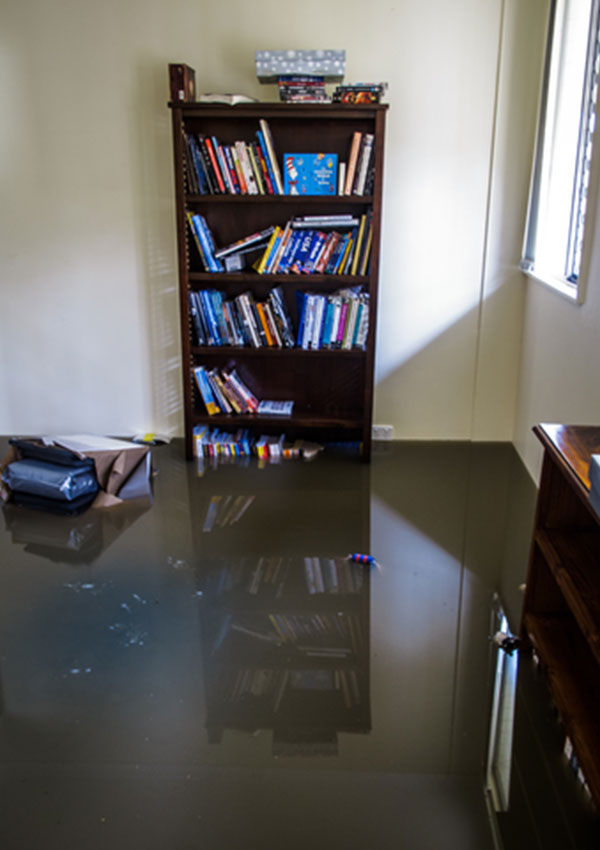
Water Mitigation
When water damage occurs, fast action matters. Our water mitigation team responds quickly to remove water, dry affected areas, and help prevent additional structural damage or mold growth. We utilize advanced extraction and drying equipment to thoroughly dry out your property and stop moisture in its tracks.
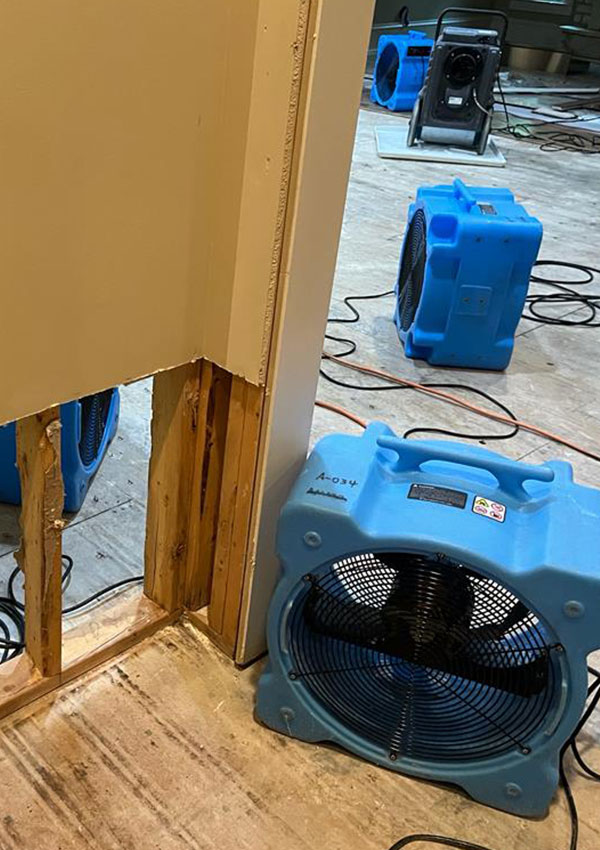
Restoration
We provide dependable restoration services for properties impacted by water, storms, and other unexpected damage. Our goal is to restore your property safely and efficiently while helping you navigate the recovery process with confidence. From the initial damage assessment to the final finishing touches, we handle every detail to bring your home back to its pre-loss condition.
How A Professional Remodeling Company Restores Your Home
At Your Service Restoration & Renovation follows a clear process designed for speed, safety, and quality results. First comes a visual and moisture-map assessment to locate the full extent of damage. We document conditions with photos and readings so you have a clear record for your files.
Next, we stabilize the structure with temporary protection where needed, then start controlled demolition only where materials cannot be dried or salvaged. Drying equipment and air filtration run until moisture targets are met. Finally, our remodeling team rebuilds affected areas, blends finishes, and verifies the performance of windows, doors, and mechanical components.
Project timing varies by home size, materials, and season. We keep you informed with frequent updates so you always know what is happening and why. If a specialty trade is needed, we coordinate that work to keep the project on track.
Insurance Documentation You Should Gather
Clear documentation speeds decisions. Start a simple log with the storm date, time, and the first signs you noticed. Photograph damage from a safe distance, then take closer shots of specific areas like shingles, flashing, ceilings, or flooring. Keep samples of loose materials only if they are already detached and safe to collect.
Save all communications and place wet items you must discard in a separate list with approximate quantities and descriptions. Your adjuster may ask for measurements or invoices from the restoration and remodeling team; we provide those details as part of our process.
Neighborhood And Seasonal Context In Atlanta
Weather patterns shift by microclimate. Homes near Lake Lanier might see stronger lake-effect winds during pop-up storms, while higher elevations around Blue Ridge and Jasper take more direct hail and ice in winter. Valleys around Dalton and Chatsworth can funnel gusts that push rain under shingles and siding.
In spring, fast-moving systems bring lightning, hail, and tornado risks. Late summer and early fall can include tropical remnants that soak the ground for days. Winter sometimes brings freeze-thaw cycles that open small gaps along flashing and trim. A careful post-storm check after each season helps you spot problems before they spread.
Safety First While You Wait For Help
Call 911 if you smell gas or see sparking lines. Keep children and pets away from damaged rooms and any area with standing water. Do not use ceiling fans in rooms with wet ceilings, and avoid switching lights on and off where fixtures were exposed to water.
If the roof is compromised, close doors to the affected area and place a bucket under active drips if you can do so safely from the floor. Avoid moving heavy furniture or lifting wet items that could cause injury.
When To Call A Professional
Any time you see new water stains, roof impacts, electrical concerns, or sticking doors and windows after a storm, it is time to bring in a qualified team. **Do not attempt structural or electrical work on your own.** A licensed & insured Atlanta remodeling company can evaluate the full picture and coordinate the right mix of restoration and repairs.
For fast help, contact At Your Service Restoration & Renovation at 404-319-0359. We respond quickly, document clearly, and restore with quality materials that match your home's style.
What Sets At Your Service Restoration & Renovation Apart
Homeowners choose us for our clear communication, careful protection of unaffected spaces, and attention to finish quality. We arrive ready to stabilize the site, then guide you through each step with photos, moisture readings, and a concise plan. That way, you understand options and can make confident decisions.
Do not enter rooms with sagging ceilings or bowed walls. Wait for our team to secure the area and verify it is safe. Your peace of mind matters as much as the finished result.
Next Steps To Protect Your Home
Take a quick walk-through of your property as soon as the weather clears, note what you see, and call a trusted professional. The faster the response, the fewer materials you will lose to moisture and the sooner your life gets back to normal. For expert service in Atlanta, reach At Your Service Restoration & Renovation at 404-319-0359 today. We are ready to help you recover with skilled storm damage restoration and quality remodeling that lasts.
How Can We Help?
Work with a Trusted North Georgia Remodeling & Restoration Company!
Our commitment to precision and quality is built around your project’s success. Driving meaningful progress from start to finish.